

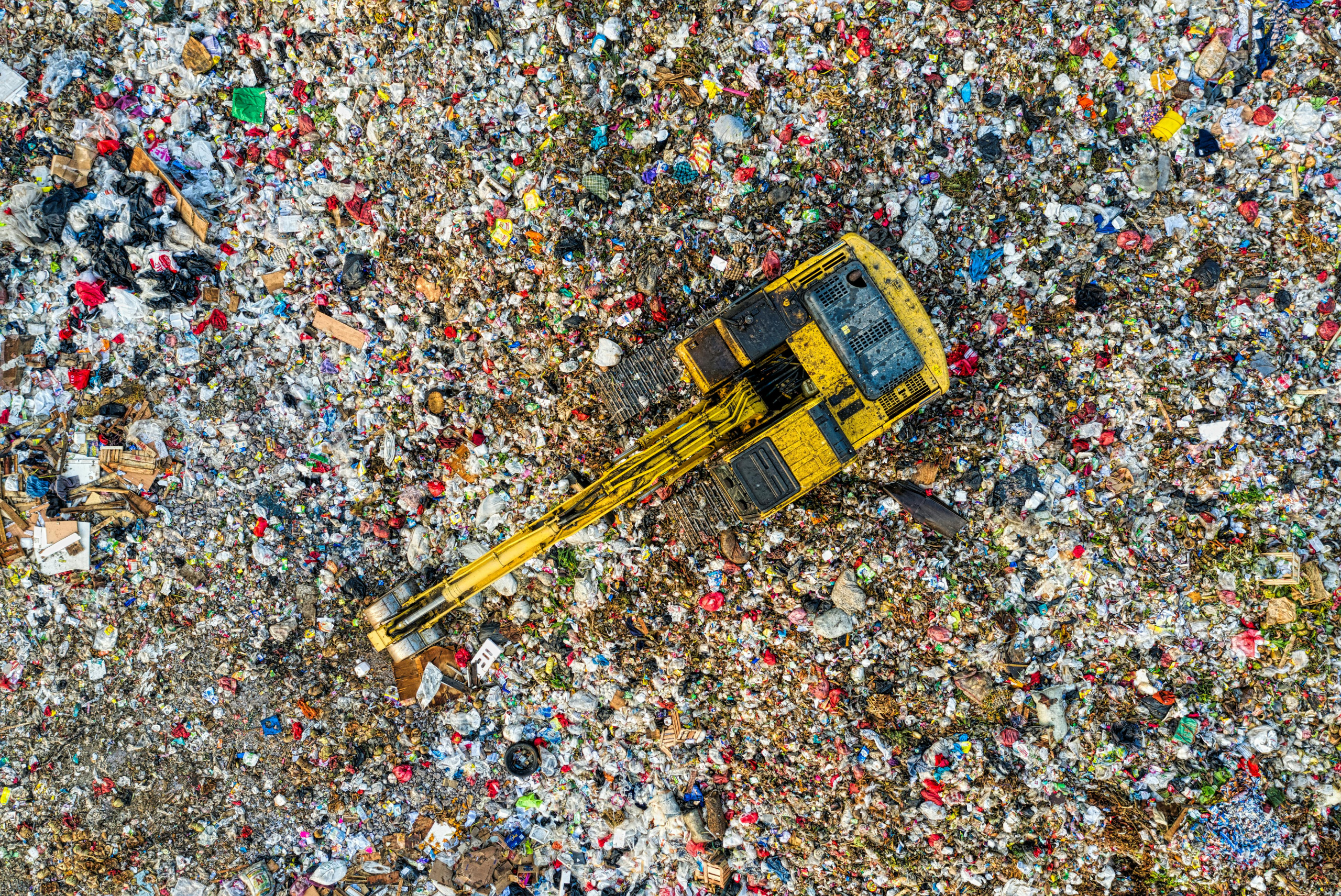
A recent study by urban innovation laboratory City Lab Biobío found that the Biobío region generated more than 2.2 million tonnes of non-hazardous waste in 2023, of which 61 per cent corresponded to industrial waste and 39 per cent to municipal waste. Biobío is the third highest waste-generating region in the country, behind the Metropolitan Region and La Serena-Coquimbo, and ahead of regions such as La Araucanía and Los Lagos, which have comparable populations. The province of Concepción produced the largest share of waste within the region, accounting for 46 per cent of the regional total.
According to the report — which covers the 2023 period — the region as a whole generated 7.7 per cent of the country’s non-hazardous waste, below its 8.7 per cent share of the national population according to preliminary data from the 2024 Census. The municipalities producing the most waste were, unsurprisingly, those with the largest populations.
In terms of per capita waste generation, the Biobío region averaged one kilogram per person per day, below the national figure of 1.2 kilograms. However, there are notable differences across provinces and municipalities: Arauco averaged 0.9 kilograms per resident, while Contulmo and Tirúa reached 1.6 kilograms — the same figure recorded in Lota, in the province of Concepción.
Comparing household waste generation between 2015 and 2023, Concepción and Penco recorded per capita reductions of 43 per cent and 6 per cent respectively. Florida and Lota, on the other hand, saw increases of 85 per cent and 76 per cent over the same period.
The study also analysed the per capita cost of waste management services for municipalities across the region, finding that it accounts for 11.9 per cent of total municipal spending, at 23,884 pesos per person — above the national average of 21,123 pesos. Quilaco, Lota and San Rosendo spend roughly double the regional average on this service, while Alto Biobío records the lowest expenditure, at just 1,330 pesos per person.
A Closer Look at Regional Recycling
The weakest area in the region’s waste management picture is recycling. Just 0.8 per cent of household waste is recycled in the region, compared with 36 per cent of industrial waste — well short of the ambitious 75 per cent target set for 2040 under the Extended Producer Responsibility (REP) Law. In the province of Biobío the figure is even lower, with only 0.3 per cent of solid household waste recycled, while the province of Concepción reached 1.6 per cent.
On the industrial waste side, the figures are somewhat more encouraging. The province of Arauco recorded one of the sharpest improvements, rising from a recycling rate of 12 per cent in 2015 to 32 per cent in 2023. The province of Biobío, however, recycled only 10 per cent of its industrial waste.
According to the study, there is a stark disparity in industrial waste recycling rates across the region: the highest figures belong to Tomé (92 per cent), Chiguayante (65 per cent) and Florida (60 per cent), while Santa Bárbara, Los Álamos, Santa Juana, Alto Biobío, Contulmo and Quilaco all fall below 1 per cent. “Raising these figures is a priority, both for the environmental conditions of local residents and for municipal budgets, by reducing the volume reaching final disposal sites,” said Fernando Pérez, executive director of City Lab Biobío.
Along those lines, the laboratory recommends expanding agreements with managers under the Extended Producer Responsibility Law, starting with the municipalities that generate the most waste and have the lowest recycling rates, such as Coronel and Tomé. The lab also points to the creation of local processing centres, highlighting the work of the Municipality of La Pintana, where around 20 tonnes of waste are recycled daily, saving roughly 100,000 dollars a year in landfill transport costs.
The report also flags the low capacity for organic waste recycling, noting that between 40 and 60 per cent of that waste stream could be recovered through initiatives such as home composting, the distribution of compost bins and vermiculture schemes, which would also reduce collection truck journeys.
Excessive Distances Between Municipalities and Landfills
The region currently has four authorised final disposal sites: landfills in Penco, Los Ángeles and Curanilahue, along with the Licura dump in Mulchén. However, some municipalities dispose of their waste at sites outside the region, including in Chillán Viejo, more than 100 kilometres away, and even in the Metropolitan Region, over 550 kilometres distant.
The study found that only 24 per cent of municipalities hold adequate georeferenced data on their collection routes — based on transparency requests submitted to the municipalities themselves — limiting the prospects for near-term system optimisation. The analysis also highlights significant variations in the distances covered by collection lorries, which directly affects the cost of waste transportation.
At least five municipalities are more than 100 kilometres away in a straight line from their disposal site. Among them, Tirúa’s collection lorries travel more than 150 kilometres to the Los Ángeles landfill, while Lebu is 112 kilometres from the Cemarc facility in Penco. The study recommends that municipalities factor in distances exceeding 100 kilometres when negotiating future contracts with disposal sites, which could help reduce both transport costs and carbon emissions.
City Lab Biobío operates in Greater Concepción through the funding and support of the Regional Government of Biobío and the Chilean Chamber of Construction, with Corporación Ciudades managing its day-to-day operations. The laboratory also receives strategic support from the Universidad de Concepción, Universidad del Bío-Bío and Universidad del Desarrollo, along with partnerships with private companies and public entities.