

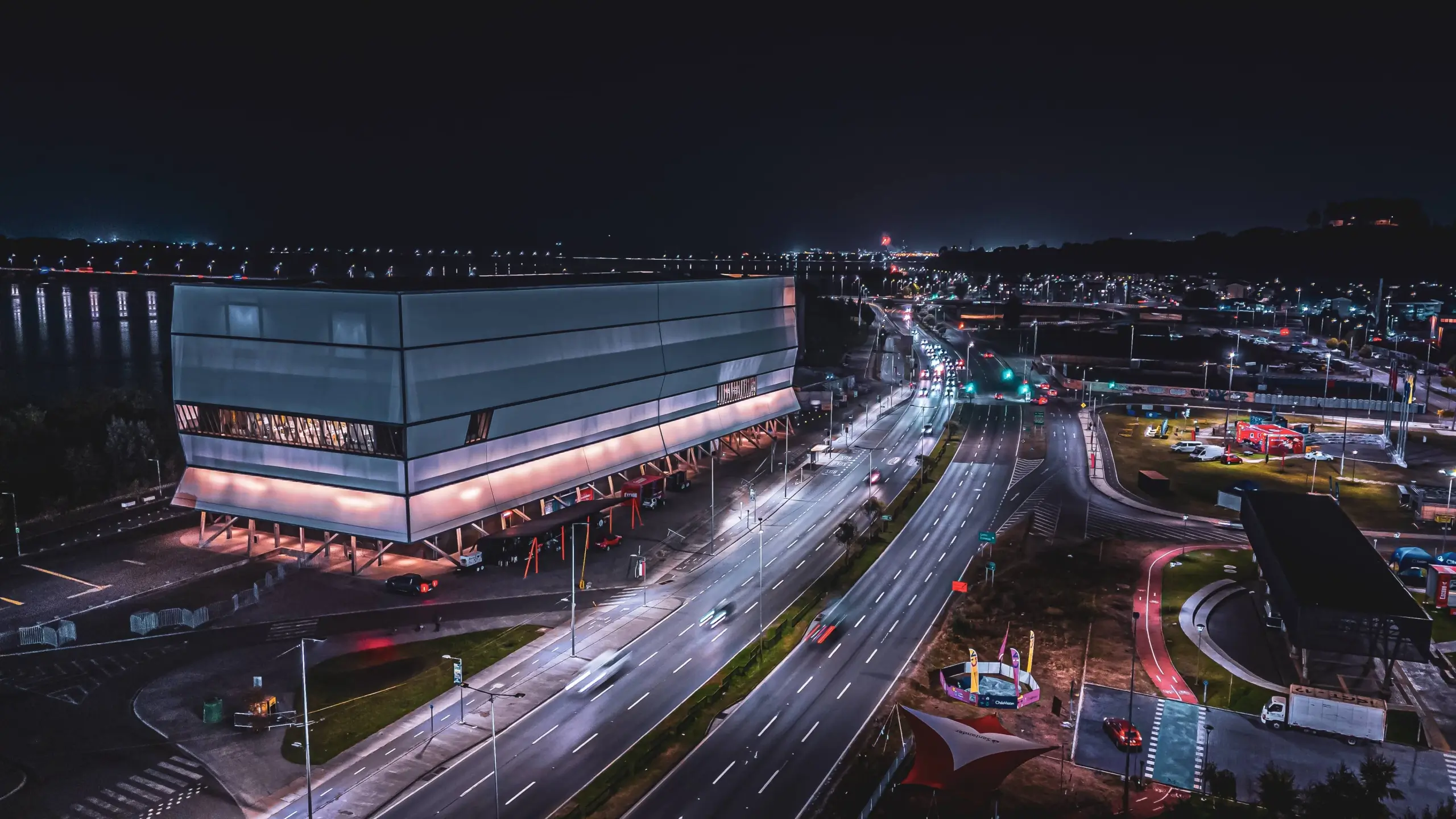
Between October 7 and 9, Greater Concepción will be the world epicenter of urban innovation. For the first time, the Cities in Transition summit will be held in the southern hemisphere, an annual meeting of the network of urban laboratories of the Massachusetts Institute of Technology (MIT). The event will bring together more than 100 researchers, urban planners and professionals from eight countries, with the purpose of thinking and projecting the future of cities through collaboration and innovation.
This is, emphasizes regional governor Sergio Giacaman, “a tremendous opportunity for the Biobío region to have a conversation with outstanding researchers and urban planners from around the world to seek solutions for our region.
The summit is organized by City Lab Biobío, the first urban laboratory in South America linked to the MIT Media Lab. Since its creation, it has worked in coordination with local universities, regional authorities and private actors, with the objective of not only generating applied knowledge and concrete solutions to the challenges of Greater Concepción, but also connecting with global experiences.
Open to the community
The Summit, to be held on Wednesday, October 8 at the Teatro Biobío is one of the most anticipated between local urbanists and city researchers, as it is open and free for the community, which will be able to attend talks, interact with startups and learn about projects that cross technology, data and urban development.
In this sense, Fernando Pérez, main director of City Lab Biobío, says that this summit seeks to “open an inspiring space where people can connect with fresh ideas on how to imagine and build better cities”.
In line with this, one of the guests will be Kent Larson, director of the MIT Media Lab’s City Science group and a world reference in smart city design. Larson has been honored with the 10 Year Impact award in 2014 and 2018 for his contributions in data-driven urbanism.
He will be joined by other international guests, such as Kristian Norelius, art director at Pixar Animation Studios, and Amy Allen, set design supervisor at the same company. Both will share their experience in the creation of animated universes in films such as Coco, Intensamente or Wall-E.
Cities in transition
The summit’s name is no accident. “We are in a world that is changing rapidly through science and technology, which is also transforming the way we experience the city. With this summit, we will bring experiences from other parts of the planet to address with innovation traditional problems such as mobility, forest fires, the environment and informal settlements,” says Pérez.
The results of the collaborative work of MIT’s urban laboratories this year will also be shared in Concepción. Some of the challenges addressed by the teams have been the habitability of informal settlements, sustainable mobility, forest fire prevention and the development of wine tourism in the Biobío Valley.
For Patricio Donoso, president of Corporación Ciudades, the summit reflects the participatory spirit of the area. “City Lab Biobío has set out to be an open-door event, with an invitation to all those who live in this city to reflect, think and dream of Greater Concepción. Since its origin, this city has been built collectively, and towards the future it must be the same,” he says.
The laboratory uses technologies such as the CityScope platform, developed by MIT, which makes it possible to simulate and project in real time the impact of urban decisions, such as the construction of neighborhoods, parks or transportation systems, helping to anticipate scenarios and improve scientifically based territorial planning.
A global view from the south
In this context, the meeting positions Biobío at the forefront of urban innovation at a global level. Researchers and representatives from cities such as Hamburg, Guipúzcoa, Andorra, Guadalajara, Boston, Toronto, Taipei and Shanghai will come to the area to share lessons learned and best practices.
“What is happening to us as an intercommune, as a city, as a region, has also happened in other parts of the world, and they have the experience to address these problems,” said Bernardo Suazo, past president of the Chilean Chamber of Construction of Concepción.
The challenge is set: Greater Concepción will not only host an international meeting, but will also be the protagonist of a global debate on the future of cities. And for this, its community is invited to participate free of charge, by registering at The registrations for this meeting are already available, free of charge, at citylabbiobio.cl