

Pablo Allard,
Dean of the Faculty of Architecture, Universidad del Desarrollo
Cities are changing at an unprecedented pace. The convergence of climate and housing crises, technological advances, the energy transition and new ways of living is reshaping the way we inhabit the planet. Against that backdrop, Chile — and the Biobío region in particular — is preparing to host one of the most significant events in global thinking about the urban future: the City Science Summit 2025, organised by City Lab Biobío, part of the MIT Media Lab’s global network of laboratories.
For the first time in its history, the event will take place in South America — and not in a national capital, but in Concepción. Previous host cities have included Hamburg, Andorra and Boston, with the summit drawing more than 150 researchers, academics and leaders in urban science, technology and innovation each year. That Biobío should host this edition is no coincidence: it is a recognition of the work of City Lab Biobío, a laboratory founded just three years ago in partnership with MIT. Through collaboration with the Regional Government, Corporación Ciudades, the Chilean Chamber of Construction and ChileMass, it has already established itself as a key player in the development of new methodologies and technologies for urban planning.
Among its principal advances is the application of the Urban Dynamic Planning tool developed by MIT, which could prove invaluable for updating Greater Concepción’s Metropolitan Regulatory Plan. This methodology, based on the use of dynamic, real-time data, makes it possible for the first time in Chile to evaluate urban growth scenarios, mobility, risk and sustainability with concrete evidence, paving the way for a new generation of planning instruments.
While the lab also works in collaboration with the region’s leading universities, this Summit will be no ordinary academic conference. Under the banner of Cities in Transition, the event will unfold over a week of experiences, workshops, urban interventions and live laboratories at various points across the territory. In the months leading up to the event, laboratories from the MIT network will be working alongside universities, organisations and local communities on five challenges central to the region: wildfires, informality, informal settlements, mobility and tourism.
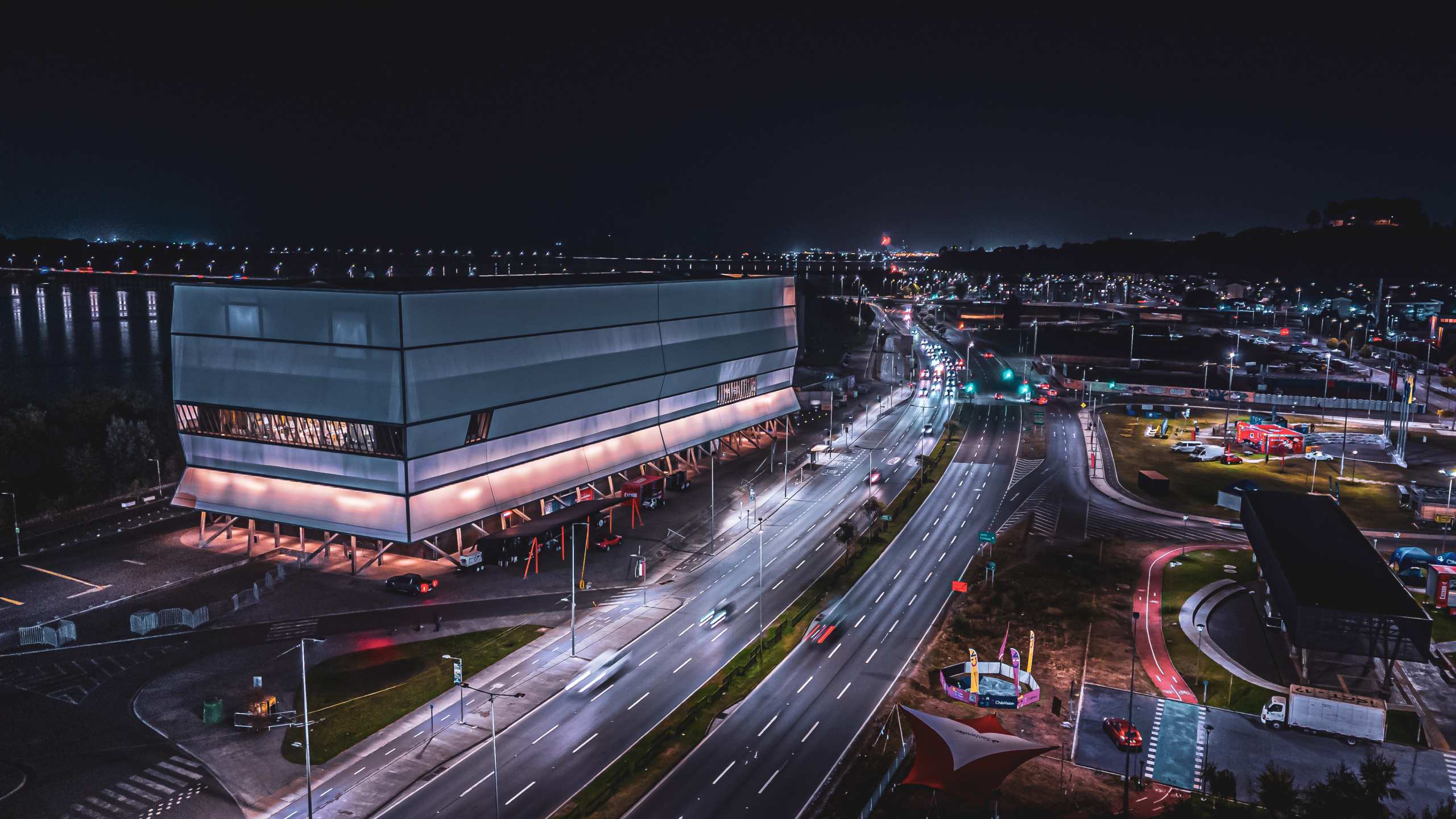
On 8 October, the Teatro Biobío will open its doors to more than 2,000 people in a free, public event — a milestone that will position Concepción as a global hub of urban innovation. Experts from leading technology companies, alongside representatives from government, universities and civil society, will gather around a single question: how must our cities adapt to meet the challenges of the 21st century? That Biobío should “breathe innovation” is not a slogan — it is an understanding that urban transformation is far from a phenomenon reserved for great metropolises, and that it can and must take root in our regions.
Originally published in La Tercera’s opinion section, Monday 23 June 2025.